Roland TR-08 Rhythm Composer vs Roland TR-6S Rhythm Performer
We compare the Roland TR-08 Rhythm Composer and the Roland TR-6S Rhythm Performer across every dimension that matters - our scores, the key specs, and how each performs on the things you will actually notice day to day.
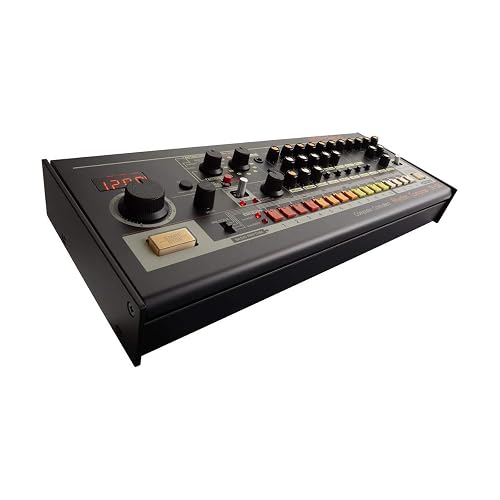

At a glance
| Roland TR-08 Rhythm Composer | Roland TR-6S Rhythm Performer | |
|---|---|---|
| Our score | 8.5/10 | 7.4/10 |
| Best for | Making beats and rhythm tracks hands-on, standalone, without a computer | Making beats and rhythm tracks hands-on, standalone, without a computer |
| Not ideal for | Anyone wanting a full DAW, or an electronic drum kit you play with sticks | Anyone wanting a full DAW, or an electronic drum kit you play with sticks |
| Brand | Roland | Roland |
Sound and Character
Roland TR-08 Rhythm Composer
Sound and character on the drum machine are presented as a compact drum machine experience, focused on drum-first playback and pattern building. Each drum sound is designed to sit clearly in the mix, then be repeated across steps to build momentum. Because the approach prioritises a narrow drum-focused palette, non-drum expression is limited, and full arrangement workflows can feel restrictive. Character is shaped through different drum pattern choices, step-by-step dynamic intensity changes, and timing that keeps hits aligned for consistent groove. This emphasis makes it well suited to direct rhythm work, while more detailed sound design sits outside its core aim.
Roland TR-6S Rhythm Performer
With a step sequencer workflow and six tracks, the TR-6S Rhythm Performer is designed to create drum parts that are pattern-ready, with each track programmable into a compact rhythm sequence. Its core character comes from authentic TR sounds, including TR-808 and CR-78, delivered via a large preset sample library. An editable FM sound engine is included for shaping tones beyond the stock kits. Six tracks allow layering these elements, but the overall sound is determined first by the selected presets, then by subsequent adjustments.
Sequencer and Workflow
Roland TR-08 Rhythm Composer
Sequencer and workflow on the Roland centre on step-by-step pattern building, so programming starts with isolated drum hits and progresses into a repeatable loop. The workflow uses sequences that can be refined by repeating sections and adjusting individual steps, making it straightforward to test small changes without creating a large arrangement first. This bar-to-takes approach fits tight, loop-based work, with fewer decisions per pass. Longer forms require extra planning since deeper song structure is not the main focus here.
Roland TR-6S Rhythm Performer
A step sequencer workflow anchors the TR-6S Rhythm Performer, where six tracks can be programmed into compact rhythm sequences. Building patterns is straightforward: a track is selected, hits are placed across steps, and the loop is auditioned at the chosen tempo. Edits stay quick thanks to the step-based sequencer. The workflow also benefits from a large preset sample library, while swapping tones can slow revisions.
Connectivity and Sync
Roland TR-08 Rhythm Composer
Connectivity and sync are designed to slot into a typical studio or live setup, with external gear supported without requiring complex routing. Synchronisation matters when patterns must remain aligned to a master clock. Setup is straightforward where the studio already uses a consistent clock source; otherwise, calibration may take time.
Roland TR-6S Rhythm Performer
Connectivity and sync on the TR-6S Rhythm Performer is focused on keeping step-sequenced patterns aligned with other devices. The aim is reliable timing so the sequencer output can work alongside external gear, with consistent playback when changes are made during a live setup. In practical terms, syncing involves planning when patterns start, checking signal routing, and confirming that playback follows the same tempo reference. Integration benefits are clear at a workflow level.
Portability and Build
Roland TR-08 Rhythm Composer
With portability in mind, the drum machine is built as a compact drum machine intended for use on desks, in small studios, or for live setups, rather than as a rack-only unit. Its physical form factor is designed to keep it practical for quick placement, and it can be relocated between rooms without complex mounting steps. The controls and layout support hands-on use.
Roland TR-6S Rhythm Performer
Portability and build determine how the TR-6S Rhythm Performer slots into day-to-day working setups, particularly when pattern timing and placement need to match external gear during transport and rehearsals. The compact form factor reduces space demands in studios and on stages, where rack clearance and cabling are practical considerations. The hardware is designed for straightforward handling, with faster setup and teardown compared to more involved installations. For touring, it is recommended to secure the unit in a padded case and verify pattern placement before each session.
Who Is This Drum Machine For?
Roland TR-08 Rhythm Composer
This drum machine is for people who want a compact, hands-on drum machine that supports creating patterns by directly using its controls. It suits beginners who learn sequencing through immediate changes, and it suits producers who need a dedicated rhythm box to layer with other parts of a track without building a broader setup. It is less clearly matched to buyers seeking deep, menu-driven configuration or very specific sound-engine detail, as those specifics are not provided here.
Roland TR-6S Rhythm Performer
The drum machine is best suited to people who want an all-in-one drum machine focused on programming rhythms rather than deep menu diving. It works well for beginners who prefer a step sequencer workflow, since it allows parts to be programmed without setting up a full DAW environment. It also suits producers looking for compact rhythm recording and editing. For those seeking TR-style sounds, the large preset sample library and its six tracks make it a practical option. Limitations apply for users who need deeper sound design than what is provided.
Roland TR-08 Rhythm Composer: pros
- Standalone hands-on beat-making, no computer needed
Cons
- A learning curve to master the deeper features
- Takes up desk space in a setup
- It's a drum machine, not a full DAW or an acoustic-style drum kit
Roland TR-6S Rhythm Performer: pros
- Step sequencer
- Onboard sampling
- Compact and portable
- Standalone hands-on beat-making, no computer needed
Cons
- A learning curve to master the deeper features
- Small controls can feel fiddly on compact models
- It's a drum machine, not a full DAW or an acoustic-style drum kit
Our verdict
Our pick is the Roland TR-08 Rhythm Composer (our score 8.5/10) - A capable drum machine for hands-on beat-making. The Roland TR-6S Rhythm Performer is still worth it if it is cheaper when you check, or if it better matches your specific needs.